
silver circle mirror
Understanding Non-Return Gate Valves Functionality, Applications, and Advantages Non-return gate valves, also known as check valves, play a crucial role in various piping systems by ensuring the unidirectional flow of fluids. Unlike traditional gate valves, which allow for flow in both directions when opened, non-return gate valves are specifically designed to prevent backflow, thereby protecting equipment and maintaining system integrity. This article delves into the functionality, applications, and advantages of non-return gate valves in modern engineering. Functionality of Non-Return Gate Valves The primary function of a non-return gate valve is to prevent reverse flow in a pipeline. It accomplishes this through a simple yet effective mechanism that relies on the pressure differential across the valve. When the fluid flows in the designated forward direction, it lifts the valve disc or gate, allowing fluid to pass through. However, if there is a tendency for the fluid to flow back, the pressure difference causes the disc to close, sealing the valve and preventing any backward flow. A typical non-return gate valve consists of several key components, including the body, seat, disc, and spring (in some designs). The material used for the valve is usually of high quality, often made from metals like stainless steel, brass, or even plastic, depending on the application's requirements and the fluid type being handled. The design can vary, ranging from flanged to threaded connections, making it versatile for installation across various piping systems. Applications of Non-Return Gate Valves Non-return gate valves are widely utilized across many industries due to their reliability and effectiveness in preventing backflow. Some common applications include 1. Water Supply Systems In municipal water distribution networks, non-return gate valves are essential for preventing contaminated water from flowing back into clean water supplies. Their usage ensures compliance with safety regulations and protects public health. 2. Wastewater Treatment In sewage systems, these valves prevent the backflow of sewage into treatment plants or residential areas, protecting infrastructure and minimizing health risks. 3. Oil and Gas Industry Non-return gate valves are critical in oil pipelines to prevent backflow during pressure changes, ensuring smooth operational flow and protecting pumps and compressors from damage . non return gate valve 4. Chemical Processing In chemical plants, backflow prevention is crucial to avoid mixing of different substances, which can lead to dangerous reactions. Non-return gate valves protect against system failures by ensuring the controlled flow of reactants. 5. HVAC Systems These valves are employed in heating and cooling systems to maintain proper flow direction, ensuring efficient operation and preventing damage to system components. Advantages of Non-Return Gate Valves The benefits offered by non-return gate valves are significant and contribute to their widespread use in industries. Some of the key advantages include - Prevention of Backflow The primary advantage is their ability to prevent reverse flow, which is critical in maintaining the integrity of piping systems and preventing contamination. - Reduced Maintenance Costs Since they are designed for a specific function and typically have fewer moving parts, non-return gate valves are often more durable and require less maintenance compared to other valve types. - Versatility With various designs available, these valves can be adapted to meet specific operational requirements in different environments, whether it is high pressure, high temperature, or corrosive substances. - Improved Safety In many industrial applications, the failure to prevent backflow can lead to severe safety hazards. Non-return gate valves play a vital role in enhancing operational safety. Conclusion In summary, non-return gate valves are integral components in various piping systems that ensure the efficient and safe flow of fluids. Their primary function of preventing backflow helps protect infrastructure, maintain product quality, and enhance operational efficiency, making them indispensable in numerous industries. As technology advances, the design and material used in non-return gate valves continue to evolve, further improving their functionality and application range. Understanding their operation and benefits is essential for engineers and operators involved in fluid handling systems, allowing for the selection of the right valve for specific needs.
about
silver circle mirror
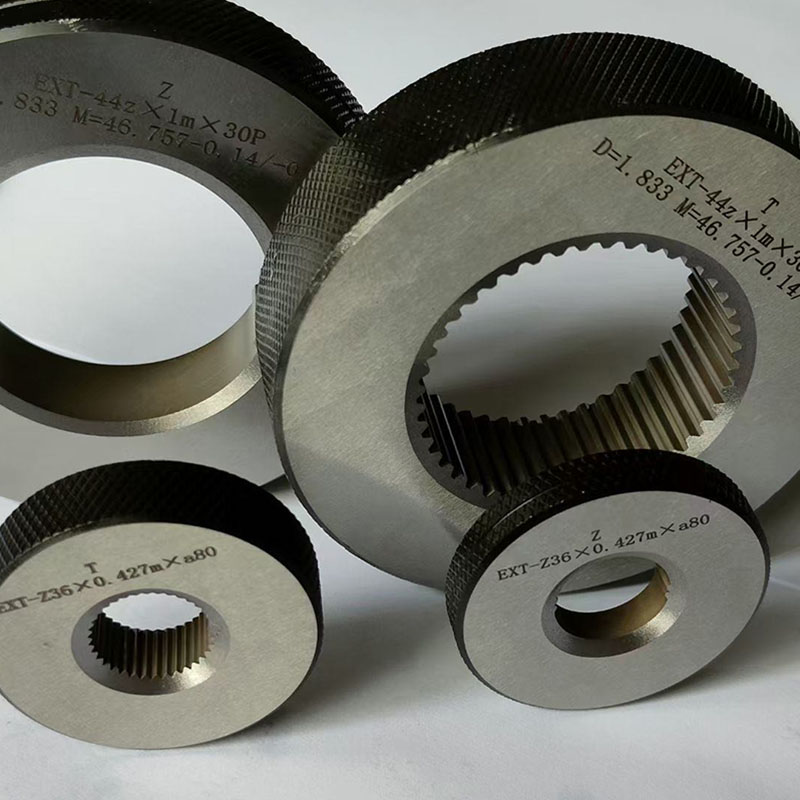
Precision Measuring Tools Ensuring Accuracy in Engineering and Manufacturing Precision measuring tools play a crucial role in engineering, manufacturing, and quality control industries. These tools are designed to provide accurate measurements, which are essential for ensuring the quality and functionality of products. In a world where precision is paramount, selecting the right tools can significantly impact the success of any project or production run. Understanding Precision Measuring Tools Precision measuring tools encompass a variety of instruments and devices that are used to measure dimensions, angles, and other physical attributes with high accuracy. Some of the most commonly used tools include calipers, micrometers, gauges, and laser measuring devices. Each tool serves a specific purpose and is suited for particular types of measurement, whether it’s linear, angular, or volumetric. For instance, calipers can measure both internal and external dimensions, as well as depths, making them highly versatile in various applications. On the other hand, micrometers are typically used for measuring small distances with great accuracy, often down to the thousandth of a millimeter. These tools are vital in the production of parts where tight tolerances are essential. The Importance of Accuracy In manufacturing, even the slightest deviation from specified measurements can lead to significant issues, including product failure, increased production costs, and wasted materials. This is especially true in industries such as aerospace, automotive, and medical devices, where precision is not just a requirement but a matter of safety. Therefore, the calibration and maintenance of precision measuring tools are crucial to ensure ongoing accuracy. Regular checks and routine calibrations prevent inaccuracies that could compromise quality. precision measuring tools Advancements in Technology With technological advancements, precision measuring tools have evolved significantly. Digital calipers and micrometers, for example, are now equipped with electronic displays that provide instant readings and reduce the chance of human error. Additionally, advanced technologies such as lasers and optical systems allow for non-contact measurements, which can be crucial for delicate materials or complex geometries. 3D laser scanning technology is another groundbreaking advancement that enables the capturing of precise 3D shapes and measurements of objects. This tool is particularly useful in reverse engineering and quality control, providing detailed metrics that traditional methods may not capture effectively. Applications Across Industries The applications of precision measuring tools span a wide range of industries. In construction, these tools are essential for ensuring that building components meet design specifications. In the automotive industry, precision measurements are vital for engine parts, where even a small error can lead to inefficiency or safety hazards. In the medical field, precision instruments are critical for the production of devices such as implants and surgical tools, where exact specifications can have life-or-death consequences. Conclusion In conclusion, precision measuring tools are indispensable in today's manufacturing and engineering landscapes. The emphasis on accuracy and precision drives innovation and the development of new tools and technologies. As industries continue to evolve and demand higher standards of quality, the importance of precision measuring tools only grows. Investing in the right tools and ensuring their proper use and maintenance is not just a matter of efficiency but a commitment to excellence in product quality and safety. As we move into the future, the role of precision measuring tools will only become more critical, shaping the way we design, manufacture, and innovate.
-

High quality industrial productsagement

High quality industrial products
View Details -

Meet the diverse needs of customers

Meet the diverse needs of customers
View Details -

Strict quality control

Strict quality control
View Details -

Top raw materials

Top raw materials
View Details -

Trusted supplier

Trusted supplier
View Details
Our application


news and information
Various Types of Flow Control Valves and Their Applications in Different Industries
Different Types of Flow Control Valves Flow control valves are essential components in various fluid

Versatile Applications of Parallel Rulers in Design and Technical Drawing
The Uses of Parallel Rulers Parallel rulers, a tool often seen on the desks of architects, engineers
vertical y strainer
Vertical Y strainers are an indispensable component in the fluid processing and piping systems used
 English